Questions to confirm amplification, inputs, placement and power for a speaker before ordering. No connectivity or output is assumed.
Identify the system type
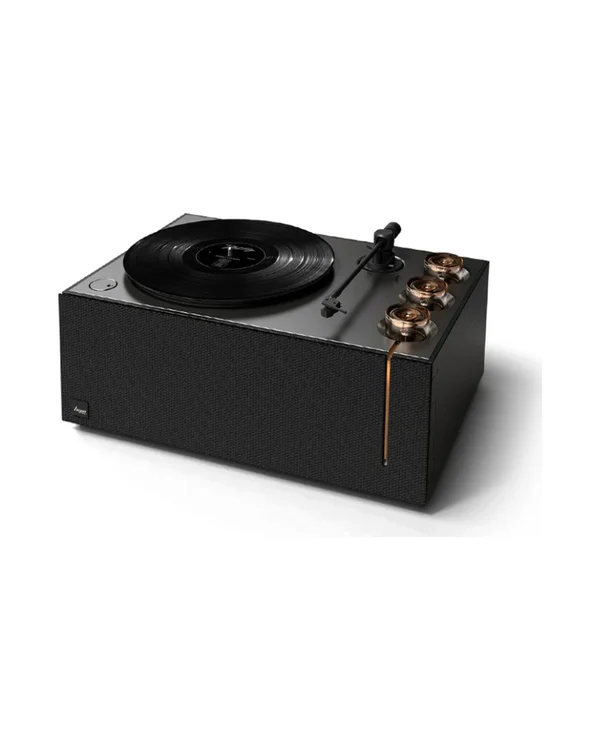
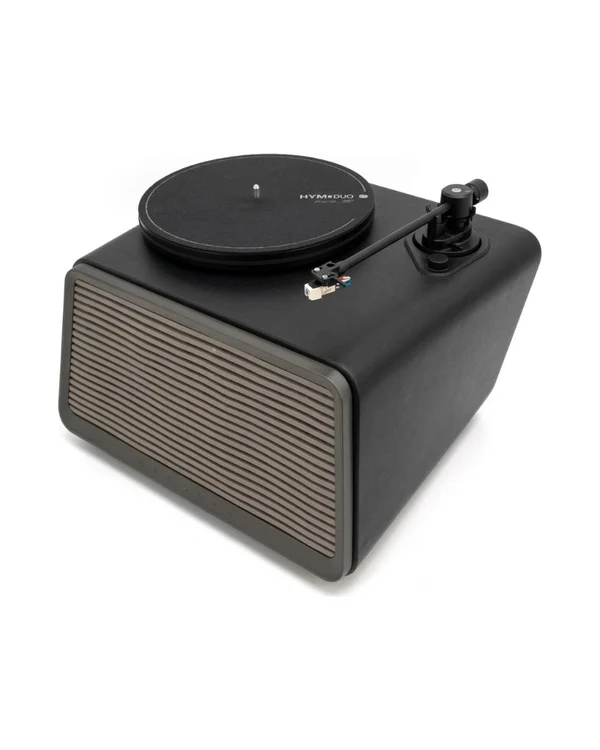
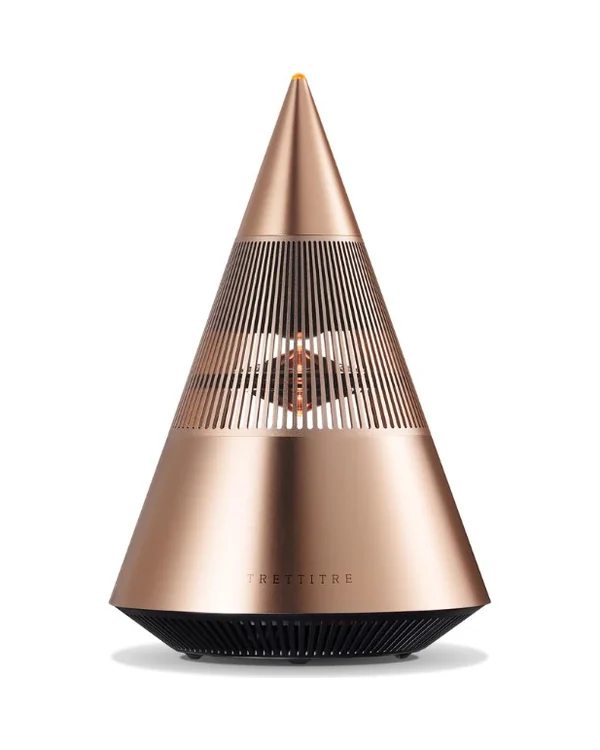
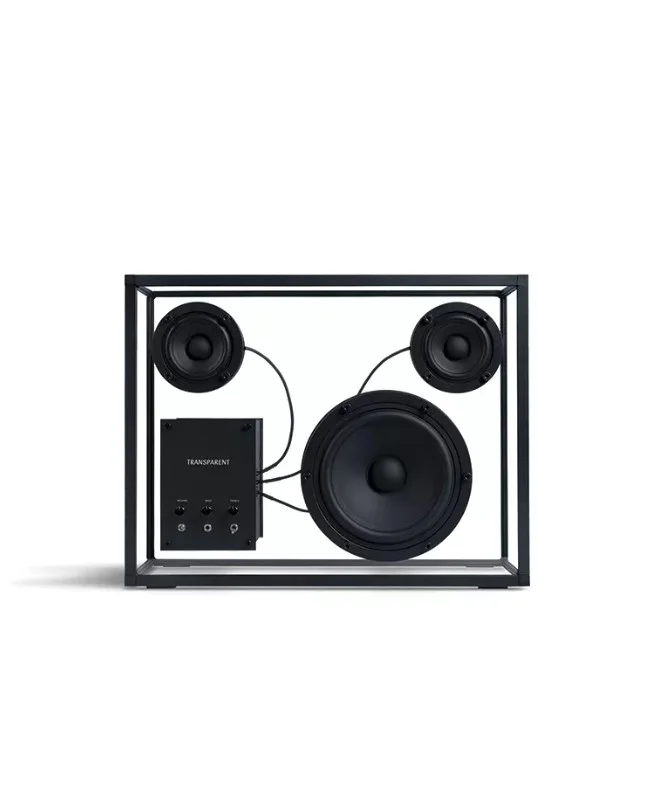
Ask whether the selected speaker is active, passive or part of a dedicated system. Confirm what equipment is included and what must be supplied separately. A photograph or speaker-shaped object does not establish its amplifier, connections or supported signal format.
List your sources
Record the equipment you want to connect and the actual output ports or wireless standards it supports. Request the speaker's documented inputs and compatibility requirements. Do not assume Bluetooth, streaming services, a phono stage or television control from a lifestyle image.
Check installation and placement
Confirm the required power supply and follow the manufacturer's installation instructions. Measure the intended shelf or stand, allow the clearances specified in the manual and ask about cable access. Product dimensions should include any required rear connectors or supports where relevant.
Request the specification
Before committing, obtain the model reference, confirmed technical specification, contents, warranty and supported setup information. Output figures without their measurement conditions are difficult to compare. Where specifications are unpublished, an enquiry is more appropriate than guessing them.
Understand active and passive systems
Passive loudspeakers require external amplification, while active designs incorporate amplification. That distinction does not by itself identify the supported inputs, wireless functions or included cables. KEF’s general guide also explains how the support surface, reflections and distance from walls can affect listening. Use those principles to frame questions, then follow the manual for the actual model and have system compatibility checked by an audio specialist. Do not transfer a manufacturer’s model-specific distances or power figures to an unrelated product.